


- Regular
- $19.99
- Sale
- $19.99
- Regular
- $19.99
Sold Out
- Unit Price
- per
Liquid error (snippets/snip-product-variants line 28): product form must be given a product
If you've been trying to shop more sustainably, you've probably run into both hemp and organic cotton marketed as the responsible choice. They're both natural fibers. They're both better than conventional cotton. But they're not the same — and depending on what you're optimizing for, one may be a significantly better choice than the other.
Here's an honest breakdown.
Conventional cotton is one of the most chemically intensive crops on the planet — it accounts for roughly 16% of global insecticide use despite covering only 2.5% of the world's farmland. Organic cotton eliminates synthetic pesticides and fertilizers, which is a meaningful improvement for soil health, farm workers, and surrounding ecosystems.
Organic cotton is also a known quantity. It's soft from the start, widely available, and well-understood by consumers. Certifications like GOTS (Global Organic Textile Standard) provide a reliable third-party verification that the fiber meets specific environmental and social standards.
The limitations: organic cotton still requires significant water — roughly 1,500 gallons per pound of fiber, depending on growing conditions. And because organic yields tend to be lower than conventional, it requires more land to produce the same amount of fiber.
Hemp is, by almost every environmental metric, the more efficient crop.
The tradeoff: hemp fabric starts stiffer than cotton and requires more processing to achieve a soft hand feel. It's also less widely available, which means supply chains are shorter but sometimes less established.
Blending hemp and cotton captures some of the best qualities of both fibers — hemp's durability and environmental efficiency, cotton's initial softness and familiarity. It's a practical middle ground, especially for garments where drape and comfort are priorities from day one.
Our Hemp-Cotton Duster is a good example of this in practice: the blend gives it a softness that works immediately, while the hemp content means it'll only get better with wear.
On raw environmental metrics — water use, land use, chemical inputs, carbon sequestration — hemp wins. It's not particularly close.
But sustainability isn't just about the fiber. It's about the full supply chain: how the fabric is processed, where it's made, how far it travels, how long the garment lasts, and what happens to it at end of life. A hemp garment made overseas with heavy chemical processing and shipped halfway around the world may have a larger footprint than an organic cotton piece made locally with clean energy.
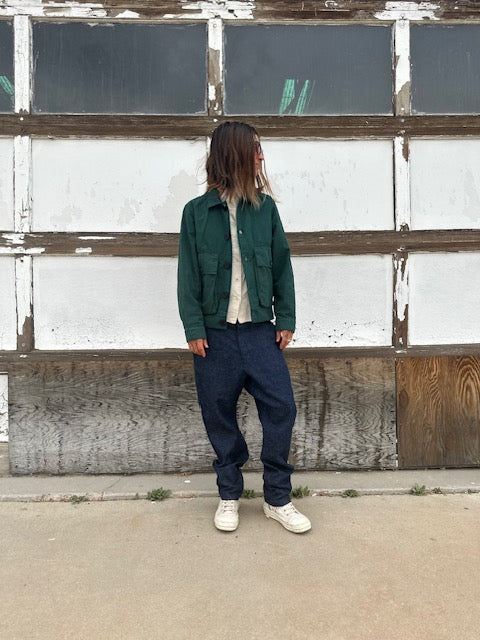
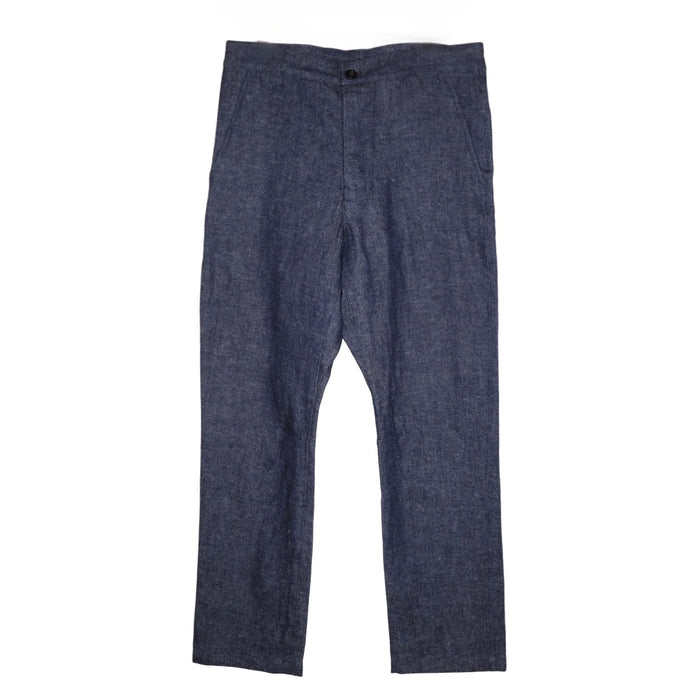
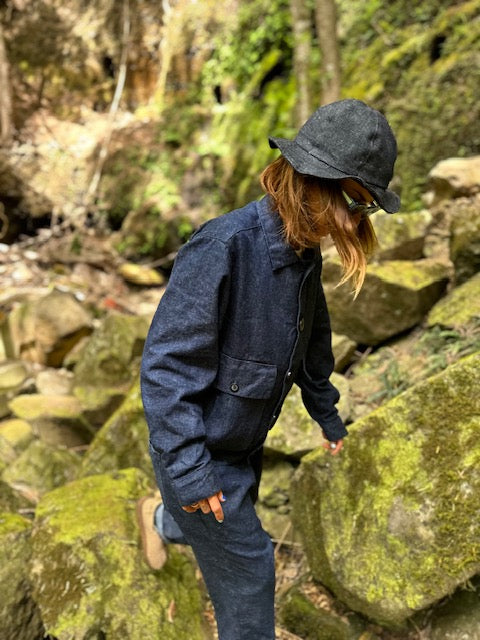
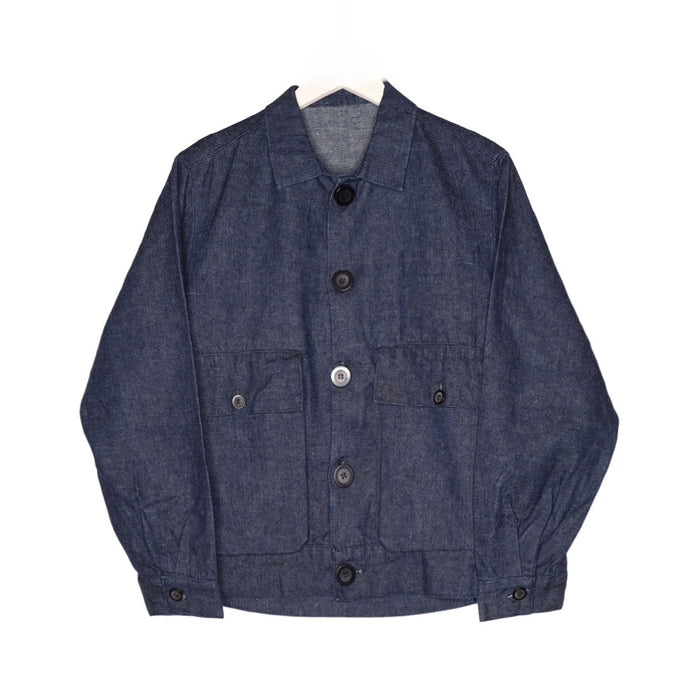
At SEEKER, we think about all of it. Our Hemp Denim Collection is made here in Los Angeles, within a few miles of our studio, by partners we've worked with for years. The fiber choice matters. So does everything else.
If you're choosing between hemp and organic cotton, hemp is the more sustainable fiber by most measures. But the most sustainable garment is the one you wear for years — regardless of what it's made from.
Buy less. Buy better. Wear it out.
Browse our full collection to find pieces built to last — in hemp, cotton, and everything in between.
Have questions about the materials in a specific SEEKER piece? We're always happy to talk through it.